Evaluating Top JS Framework Rankings for 2026
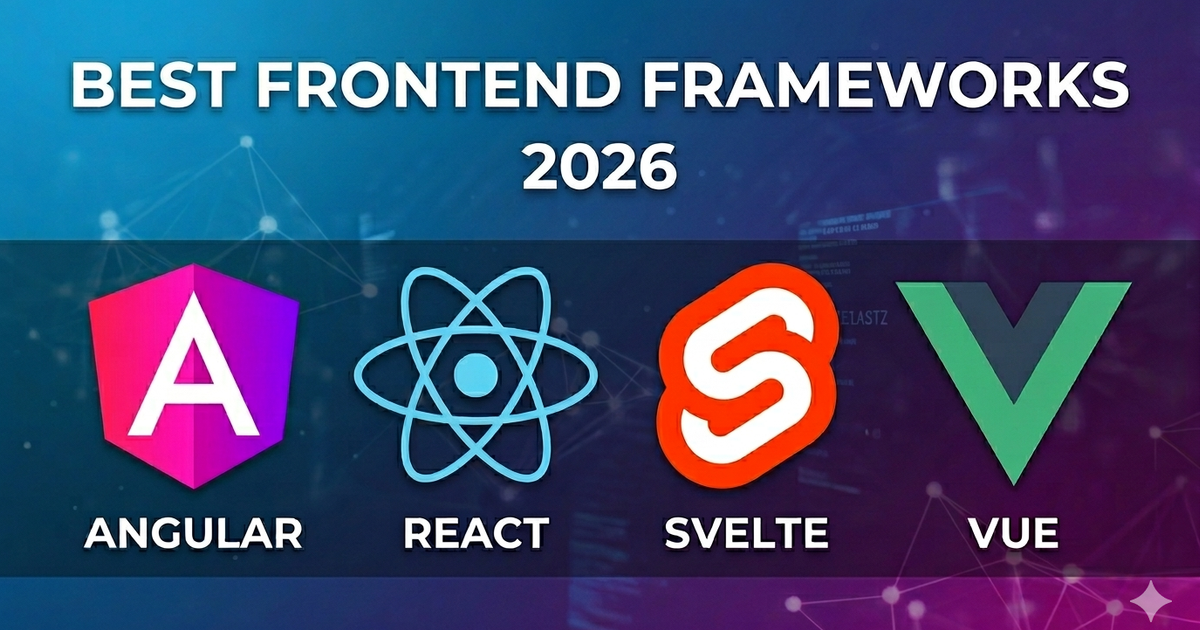
JavaScript frameworks form the structure of modern-day web advancement as they assist develop web applications that are powerful, interactive, and dynamic effortlessly. The ability of JavaScript web development platforms to streamline advancement workflows and enhance performance makes them one of the most essential tools developers should master.
Xrumer servicesA framework in JavaScript is an efficient collection of pre-written JavaScript code libraries. These libraries help with and accelerate the advancement of web applications by providing developers with whatever (tools, templates, and standards) they need to simplify the coding process. The advantages of JS frameworks? The Javascript advancement services providers can transport all their focus towards structure functions rather of wasting their effort and time on beginning from scratch each time they take up a brand-new project.
JavaScript is widely known to be the most popular programs language., familiarizing yourself with the top JavaScript structures can go a long method.
It can be used to build appealing user-interfaces for all type of gadgets, including single page applications and enterprise web apps. JSX, the JavaScript extension for React, makes it much easier to integrate JavaScript and HTML.Originally established by Facebook, this popular JavaScript web app framework allows designers to build recyclable UI parts.
How can You Acquire High-Quality Backlinks Effectively
Instagram and WhatsApp are among the most widely known websites developed using this popular JavaScript framework. Angular stands firm among the top JS structures.
The popularity of Angular in contrast to other JavaScript innovations can be approximated by the fact that over 2 million websites across the world are developed using this framework. The MVC architectural pattern in Angular lets you manage numerous UI components, their behaviors, and even manipulate DOM credits to fit your requirements.
is another typically used JavaScript web framework that brings the finest of React and Angular together. It is a progressive structure that can be incorporated with existing jobs and other JS libraries rather easily. The designer neighborhood has just begun to recognize the capabilities of this framework in JavaScript web development, which has actually resulted in a constant development in its use over the last 3-4 years.
Perspective for 2026 Link Automation and Scale
Unlike other JavaScript frameworks, Svelte assembles the codes to pure JS to come up with its own compiler that converts apps into ideal JavaScript at develop time. This makes Svelte much faster than other JavaScript structures. If the recent stats are to be believed, Svelte is likely to bag the title of the best JavaScript framework over the next few years, leaving popular structures like and Angular behind.
Developed by Ryan Dahl in 2009, brings unequaled speed to client-server interaction and information processing. The JavaScript backend structure also allows the developers to share and reuse code for both the front-end and back-end parts of the web applications. Previously referred to as SproutCore 2.0, is a JavaScript framework established by Yehuda Katz.
has abundant documentation and Ember CLI, making task setup and advancement numerous times faster. AspectReact.jsReact.jsVue.jsSvelteNode.jsEmber.jsCore PurposeUI advancement for SPAsFull-fledged web application developmentUI development with flexibilityReactive UI developmentServer-side JavaScript runtimeFull-featured structure for enthusiastic web appsDeveloped ByFacebook (Meta) GoogleEvan YouRich HarrisRyan DahlYehuda KatzInitial Release201320102014201620092011Key FeaturesVirtual DOM, JSX, Component-Based ArchitectureTwo-way information binding, Dependency Injection, CLI toolsVirtual DOM, Two-way binding, LightweightNo Virtual DOM, Compile-time optimizationEvent-driven, Non-blocking I/O, ScalableConvention over configuration, Two-way bindingLearning CurveModerateSteepEasy to ModerateEasyModerateSteepUse CasesDynamic web apps, Progressive Web AppsEnterprise-scale applications, Complicated SPAsSmall to medium-sized apps, PrototypesInteractive and lightweight apps, PrototypesBackend APIs, Real-time appsLarge-scale applicationsPerformanceHigh with proper optimizationGood but somewhat slower than lightweight frameworksHigh for lightweight appsVery high performanceExcellent for I/O-bound tasksGood for well-structured apps but not lightweightCommunity SupportLarge and active communityStrong enterprise-level supportGrowing and active communityEmerging communityLarge and active communityDedicated however smaller sized communityEcosystemRich community with tools like Redux, Next.jsComprehensive with tools and libraries like RxJSFocused but expandable ecosystemSmaller environment however growing rapidlyExtensive with NPM packagesRobust and opinionated ecosystemTypeScript SupportExcellent TypeScript supportIn-built TypeScript supportOptional however well-supportedGood TypeScript integrationSupports TypeScript through third-party toolsGood TypeScript support Picking the right stack impacts efficiency, expense, and scalability.
The future of JavaScript frameworks will be driven by adaptability, performance, and developer experience. Here are key trends shaping this landscape, at a glimpse: As web application development experiences brand-new levels of complexity, structures in JavaScript are doubling down on SSR and SSG to provide much better search engine optimization along with faster load times.