Handling 50 Languages at the same time with Smart Automation Systems
Structure Authority in modern markets Through Semantic Structures
Browse engine algorithms in 2026 have actually moved far beyond basic keyword matching. The primary focus for natural presence now focuses on topical authority, a metric figured out by how thoroughly a website covers a specific subject area. This shift has made manual content creation for large-scale websites almost impossible to maintain. Instead, the focus has actually moved towards automated material clusters. These clusters include a main "pillar" page that provides a high-level introduction of a topic, linked to lots of "spoke" pages that cover granular subtopics. When these clusters are created using advanced AI models, they can establish a website as a professional in digital specialties within a portion of the time it took just a few years ago.
The reasoning behind this method is rooted in how 2026 search bots process info. Crawlers no longer take a look at pages in isolation. They examine the relationship between pages to figure out if a domain has the depth required to please user intent. A site that releases a single post about a complex topic will have a hard time to rank versus a rival that has actually released a 50-page cluster. By utilizing automated systems to map out these topical nodes, services can ensure there are no gaps in their details architecture. This methodical coverage sends a signal of expertise that is tough to reproduce through sporadic, manual updates.
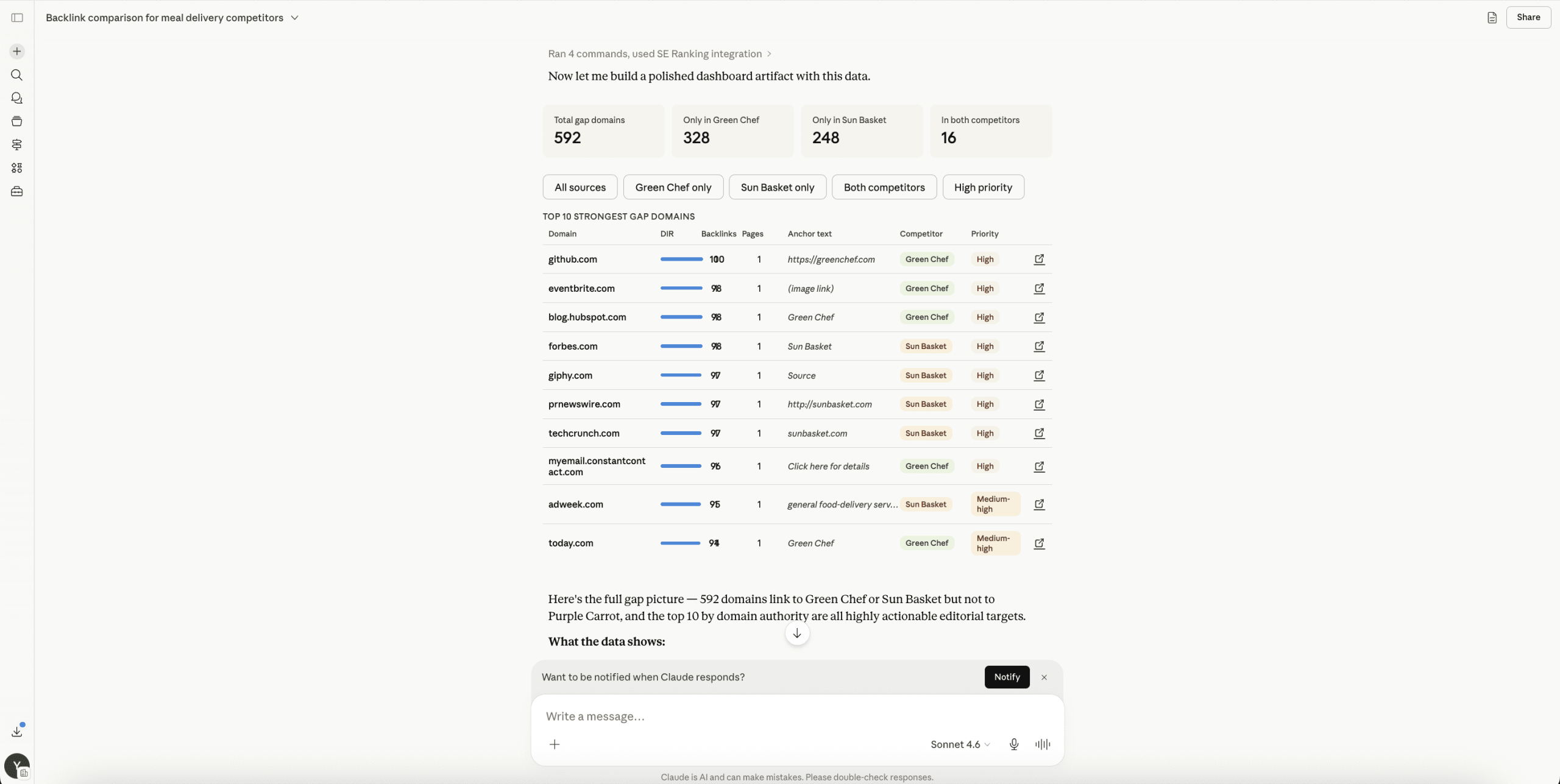
Success in this environment depends on the quality of the underlying data. Automated systems in 2026 use real-time search patterns and competitor gap analysis to figure out which subtopics require protection. For those focused on Asia Virtual Solutions Blast, the goal is to produce a web of interlinked articles that keep users on the website longer. This internal linking structure is as crucial as the content itself. It guides the crawler through the site hierarchy, ensuring that every page is indexed and categorized correctly within the broader topical map.
Managing Link Growth for online brands in 2026
Material is just half of the equation. As the volume of published pages increases through automation, the requirement for a corresponding boost in backlink speed ends up being obvious. Backlink velocity refers to the speed and consistency at which a website gets brand-new incoming links. In 2026, search engines utilize this metric to validate the legitimacy of a website's growth. If a site all of a sudden adds 500 pages of content but stops working to see an increase in external mentions, the algorithm may flag the material as low-value or purely synthetic. To prevent this, high-velocity link structure must be synchronized with material production.
High-velocity strategies include more than just amount. The links need to come from diverse sources that are topically pertinent to the content being promoted. In the existing 2026 environment, online search engine are extremely hesitant of link spikes that appear detached from a site's publishing schedule. A natural development curve shows links being earned soon after new material clusters go live. This produces a pattern of recognition that informs the search engine the brand-new information is being mentioned and shared by others in the industry.
Automated tools now help in recognizing these link chances at scale. These systems scan the web for mentions of particular subjects and suggest outreach targets that have a high likelihood of linking back. For companies prioritizing Asia Virtual Solutions Blast, the focus is on preserving a steady pulse of brand-new referring domains. This constant increase of authority prevents the site from stagnating in the search results. It also offers the "link juice" necessary to press competitive cluster pages onto the first page of results.
The Function of Topical Significance in regional Search Rankings
Context matters especially in 2026. A link from a high-authority website is still important, but its weight is substantially increased if the connecting page is topically related to the target page. Online search engine now use vector-based indexing to comprehend the "semantic distance" in between 2 sites. If a website about automotive repair links to a site about professional consulting, the link brings less weight than a link from an industry trade publication. This is why automated clusters are so efficient. They offer a wide net of specific subjects, making it simpler for numerous specific niche websites to find appropriate content to link to.
Regional significance likewise plays a part in how these clusters perform. For businesses running in specific geographic areas, including localized information and discusses within the cluster can improve performance in local search outcomes. Automation permits the insertion of localized variables without jeopardizing the overall integrity of the topical map. This ensures that the content feels appropriate to a specific audience while still serving the wider objective of structure worldwide topical authority.
The speed of discovery is another element. In 2026, social media signals and news mentions frequently precede traditional backlinks. Automated systems keep track of these signals to identify which parts of a cluster are acquiring traction. This data enables a more focused link-building effort, directing resources towards the pages that are already revealing signs of natural interest. This data-driven technique guarantees that the backlink velocity is focused where it will have the many influence on rankings.
Overcoming Discovery Obstacles in technical industries
Among the primary obstacles with high-volume material is guaranteeing it gets found and indexed. Even with best internal connecting, a 1,000-page cluster can take weeks for a crawler to fully process. High-velocity link structure acts as a catalyst for this procedure. Each new external link provides a fresh path for a crawler to find the website. By pointing links at different nodes within the cluster, rather than simply the pillar page, organizations can require a more frequent and much deeper crawl of their whole domain.
This method also assists in constructing a more "natural" link profile. A site where 90% of the links point to the homepage is a red flag for 2026 search filters. A healthy profile reveals links dispersed across various educational pages. These "deep links" show that the website provides worth beyond its main service offerings. Automation helps track this distribution, guaranteeing that no single page ends up being an apparent outlier in the link chart.
The combination of AI into both content development and link acquisition has actually leveled the playing field to some degree. Small operations can now take on much larger entities by being more effective with their topical mapping. The secret is to maintain a balance. Content needs to be produced at a rate that the link-building team-- or automated system-- can support. This harmony between "supply" (content) and "demand" (links) is the hallmark of an effective 2026 SEO method.
Long-Term Authority Upkeep in the global market
Establishing authority is just the first action. Maintaining it needs a commitment to keeping clusters updated. In 2026, information decay is a significant ranking element. If a cluster contains outdated information or broken links, its authority rating will drop. Automated systems now consist of "revitalize cycles" where material is regularly scanned and updated with new stats, dates, and appropriate links. This keeps the material "evergreen" and ensures that the backlink velocity remains high, as other sites are most likely to connect to existing details.
The relationship in between content clusters and link velocity represents a fundamental shift in digital growth. It is no longer about winning a single keyword; it has to do with owning a whole conversation. By utilizing automation to scale both the production of material and the acquisition of links, businesses can build a protective moat around their search positions. This approach needs a technical state of mind and a desire to trust algorithmic insights, however the lead to 2026 speak for themselves. Those who master the timing and structure of these 2 aspects are the ones who dominate the search engine result, no matter the market or place.