Using Data Science to Outperform Competitors in Future SERPs
The Shift Toward Forecasting in Search Marketing for 2026
The dependence on historic information has actually mainly faded as 2026 marks a shift toward fully predictive search methods. Agencies and internal teams no longer wait for regular monthly performance reports to understand why rankings moved. Instead, the focus has transferred to possibility models that expect algorithm updates and user behavior changes before they manifest in the search results page. This shift is especially noticeable in the regional market, where competitive density requires a quicker action time than standard approaches allow. By determining the possibility of intent shifts, organizations can adjust their material and technical structures weeks ahead of time.
Predictive analytics in 2026 rely on enormous datasets processed through personal neural networks. These systems do more than track keywords. They monitor the belief of social discussions, the speed of news cycles, and the movement of venture capital to guess where search demand will spike next. For business associated with digital growth, this indicates the difference in between catching a new market or falling back competitors who saw the trend coming. The objective is to move from a reactive posture to a proactive one, where every change to a website is based on a statistical expectation of future performance.
Information science has ended up being the backbone of modern search projects. Analysts are now investing more time on Python scripts and API combinations than on manual keyword research. This evolution has caused a much deeper understanding of how search engines classify information. Rather of looking at basic strings, search engines in 2026 prioritize entities and their relationships. Predictive models map these relationships to identify spaces in a brand name's authority. Reinforcing these connections through Asia Virtual Solutions Methods has actually become a standard practice for preserving a high share of voice in crowded sectors.
High-Velocity Link Building and Automation in the region
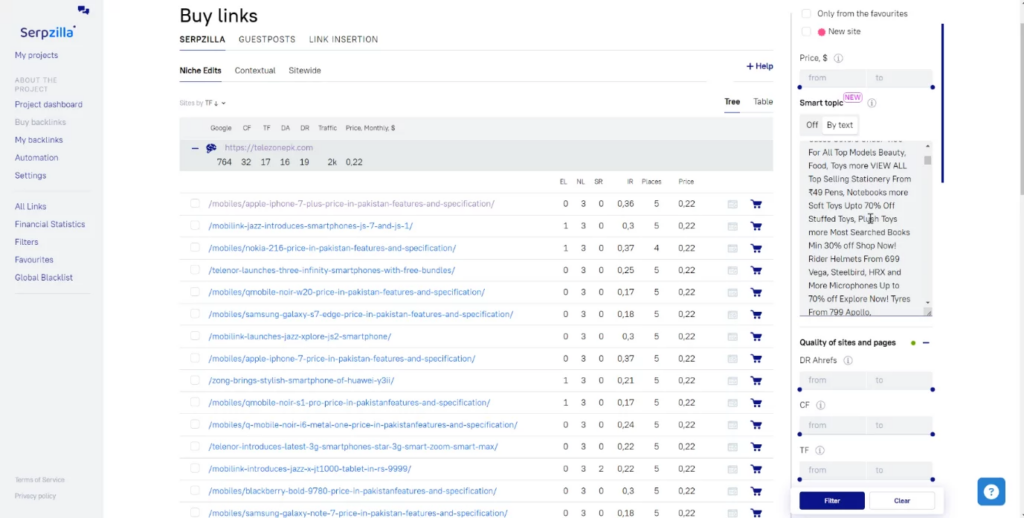
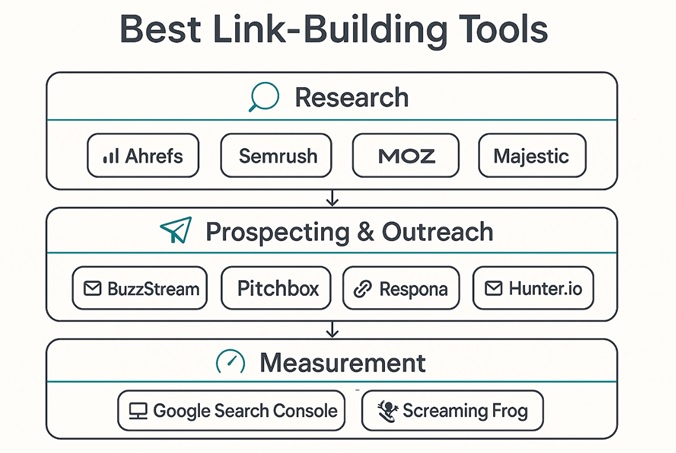
Connect structure has actually gone through a significant change in 2026. The manual outreach approaches of the past have actually been changed by high-velocity systems that recognize and protect positionings at a speed previously thought impossible. These systems use device finding out to veterinarian possible partners for authority, importance, and security in seconds. This permits a massive boost in the volume of high-quality backlinks without the threat connected with older, less sophisticated automation. In the local area, brands are utilizing these tools to develop local authority by targeting local news outlets and industry-specific blog sites with precision.
The principle of link speed is no longer practically the number of links gotten in time. In 2026, it describes the tactical timing of link acquisition to match the rising interest in a specific topic. Predictive tools alert groups to these rising interests, permitting them to flood the market with appropriate links simply as the search engine's crawlers are trying to find fresh authority signals. This integrated method guarantees that material is supported by a strong backlink profile at the precise minute it requires to rank. The speed of this process is a specifying characteristic of successful 2026 campaigns.
Quality control remains a top priority in spite of the increased speed. Modern AI filters can find a "link farm" or a low-quality site far better than a human ever could. These filters examine the website's outgoing link patterns, traffic sources, and content originality to ensure every placement adds genuine value. Organizations looking to scale their outreach frequently discover that Asia Virtual Solutions Brute Force Methods provides the necessary framework to manage massive campaigns without compromising integrity. This balance of speed and quality is what separates top-tier entertainers from the rest of the market.
AI Scaling and Material Intelligence for Organic Growth
Scaling material production has reached brand-new heights in 2026. Generative intelligence is no longer utilized simply to compose drafts but to manage entire content cycles. These systems examine search intent at a granular level, identifying precisely what information a user needs at every phase of their search. In the surrounding areas, local businesses utilize these insights to create hyper-targeted material that attends to particular regional issues or interests. This localized approach, powered by device intelligence, permits for a level of personalization that was previously impossible at scale.
Material intelligence tools now forecast the "decay rate" of a short article. They inform editors when a piece of content will likely lose its relevance and suggest particular updates to keep it fresh. This avoids the sluggish decrease in rankings that typically plagues older sites. By maintaining a continuous state of optimization, brand names ensure their digital assets continue to carry out year after year. The automation of this procedure means that content teams can focus on high-level technique and creative instructions instead of the laborious work of manual updates.
The combination of AI into the workflow has actually also changed how groups are structured. The function of the conventional SEO specialist has broadened to consist of elements of data engineering and timely architecture. These experts are accountable for training the AI on the brand's distinct voice and making sure the output fulfills rigorous quality standards. This human-in-the-loop system ensures that while the volume of material boosts, the value to the reader remains high. In the competitive environment of the local market, this dedication to quality is what develops long-lasting trust with audiences.
Technical SEO Simulation and Digital Twins
Among the most innovative methods in 2026 is using digital twins for technical SEO. A digital twin is a virtual replica of a site where designers can check changes in a simulated environment before pressing them live. This enables for the prediction of how a website's performance will alter under different conditions. A company might imitate how a new website architecture affects the crawl spending plan or how a modification in JavaScript execution impacts core web vitals. This decreases the threat of making modifications that might negatively impact rankings.
Predictive technical SEO also involves monitoring the health of the web at big. Systems track the latency of DNS suppliers, the uptime of material shipment networks, and the general speed of the web in particular regions like the region. If a downturn is spotted, the site can automatically change its resource loading to compensate. This level of technical dexterity guarantees that the user experience remains constant despite external aspects. In 2026, technical excellence is not almost following a checklist however about consistent adjustment.
Online search engine have also become more efficient at crawling. They prioritize sites that demonstrate a high degree of technical dependability and structured data precision. Predictive models help identify which parts of a site are more than likely to be crawled and indexed, permitting teams to prioritize their technical efforts. This targeted technique ensures that the most valuable pages receive the most attention from search bots. For a specialized digital firm, these technical simulations are an important part of the preparation process.
Information Privacy and Ethical AI in 2026 Campaigns

As predictive analytics end up being more powerful, the concentrate on data privacy has actually intensified. In 2026, search methods should abide by stringent global regulations that secure user information. This has caused the advancement of privacy-first tracking techniques that rely on aggregated, confidential data rather than specific user profiles. Predictive models are now trained on this cohort-based data, enabling precise forecasting without compromising personal privacy. This ethical technique to data is a core requirement for any service operating in the local area.
Ethical AI usage also reaches content creation. There is a growing demand for openness regarding using machine-generated text. Numerous brand names now utilize watermarking innovation or clear disclosures to notify readers when AI was associated with the writing procedure. This constructs a sense of sincerity and prevents the erosion of trust that can happen when AI is utilized stealthily. In the region, customers have actually shown a clear preference for brands that are open about their use of innovation. Preserving this transparency is a crucial part of brand name management in 2026.
The online search engine themselves have actually carried out brand-new signals to assess the ethical standing of a site. Sites that participate in manipulative practices, such as "AI spamming" or misleading link building, are rapidly recognized and penalized. The algorithms have progressed to reward authentic expertise and authoritativeness. This has led to a resurgence in the importance of subject matter experts who work alongside AI to make sure the accuracy of the details offered. The synergy between human understanding and machine speed is the trademark of an effective 2026 campaign.
Future-Proofing Your Search Method
Preparing for the next stage of search needs a willingness to desert out-of-date concepts. The conventional "rankings first" mindset has been changed by a concentrate on thorough visibility across several platforms and formats. Whether it is voice search, visual search, or generative responses, the goal is to be the main source of information for the user. This requires a versatile method that can adjust to brand-new interfaces as they emerge. Businesses in the regional market that welcome this flexibility are the ones more than likely to flourish in the years to come.
Investment in data infrastructure is the very first step towards a predictive future. Business need to ensure their data is clean, available, and prepared for analysis by AI systems. This often includes migrating away from legacy systems and adopting cloud-native services that use the needed scale and speed. Once the structure remains in location, the focus can shift to constructing the models and workflows that drive predictive success. The transition might be complex, but the rewards for those who master these 2026 methods are considerable.
Collaboration across departments is also necessary. SEO is no longer a siloed function but is integrated into marketing, development, and product teams. By sharing data and insights throughout the organization, services can produce a more cohesive experience for the user. This holistic approach guarantees that every touchpoint is optimized for both online search engine and people. As search continues to develop, the capability to collaborate and adjust will stay the most important possession any company can have.