Why Fast CMS Hosting Are Vital for ROI
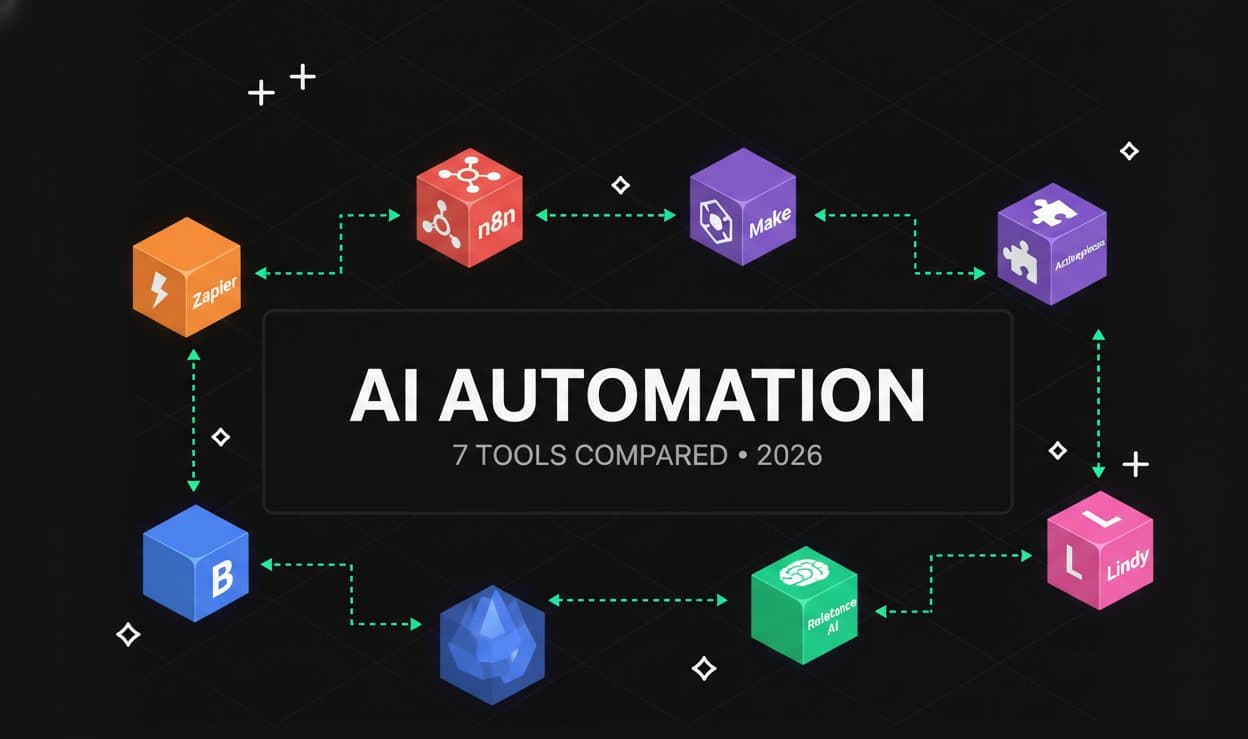
Unlike conventional single-site automation that requires specific scripts tailored to specific sites, this approach utilizes universal methods to handle jobs like type filling, information extraction, and workflow execution no matter website structure. The crucial distinction lies in versatility. Single-site automation tools depend on fixed elements like XPaths or CSS selectors that break when sites upgrade their layouts.
This matters since organizations today communicate with lots or hundreds of websites. Whether they are downloading billings from vendor portals, submitting kinds throughout insurance sites, or extracting information from numerous sources, structure and keeping different scripts for each site becomes unsustainable. We looked each tool across 5 crucial measurements that matter for real-world multi-website automation deployments:: Can the tool handle sites it has never ever come across previously without composing custom code? We offered more weight to solutions that use LLMs and computer system vision to comprehend site context over solutions that use brittle selectors which brake with design changes.: How well does the tool keep consistent performance across different websites with varying structures? We looked at whether a single workflow could carry out effectively on numerous domains without modifications.: We assessed authentication handling (consisting of 2FA and TOTP), CAPTCHA solving, data extraction with structured schemas, file downloading, and proxy assistance.
Skyvern analyzes sites visually and contextually rather. You specify what requires to be done through an API endpoint, and Skyvern executes it across different websites without custom scripts.
Xrumer footprints for GSA SERA single workflow can deal with type filling or data extraction across vendor portals, insurance coverage websites, or procurement systems without modification.Skyvern 2.0 has intricatethinking abilities. It can presume responses to eligibility concerns, understand product equivalents across different catalogs, and make contextual decisions during execution. It deals with workflows that require authentic intelligence, not click-and-type operations. The handled cloud version manages anti-bot detection and parallel execution immediately. Selenium is an open-source browser automation framework with over two years of development history. The framework requires programs knowledge and customized code for each site you automate. Key features include: Cross-browser testing abilities utilizing the WebDriver protocolMulti-language assistance consisting of Python, Java, and JavaScriptExtensive environment with testing combinations and CI/CD supportDistributed screening through Selenium Grid for parallel execution throughout machinesThe downside? Every site needs structure and maintaining specific component selectors that break when layouts alter. Microsoft's open-source browser automation framework controls Chromium, Firefox, and WebKit through a single API. Constructed for testing and.
Why Elite Server Hosting Are Vital for ROI
scraping, it targets developers who require cross-browser compatibility, not multi-website workflows. Secret features consist of: Single API controls several web browser engines at onceAuto-waiting features and debugging tools for test developmentSupports JavaScript, Python, Java, and.NETHeadless execution for running tests without visible browser windowsThe drawbacks? Running numerous internet browser instances drains pipes memory rapidly, developing efficiency bottlenecks at scale.: Playwright handles cross-browser screening well however requires heavy coding for multi-website automation. Puppeteer, from Google, is a library that manages Chrome or Chromium web browsers. The tool focuses on Chromium-based browsers with headless execution by default.
The tool deals with straightforward situations however does not have AI-powered reasoning for complicated multi-website automation. Your group does not have to spend time preserving scripts for each site. Second, since Skyvern supplies a multi-website technique, your group defines what needs to occur once, and the API manages execution throughout any site without continuous upkeep.