How Dynamic Clusters Adjust to Real-Time Search Trends

The Shift Towards Crawl-First Architecture in 2026
Online search engine algorithms in 2026 have actually moved beyond simple keyword matching and backlink counting. The existing focus centers on how effectively a site permits automated spiders to access, parse, and index data. As the volume of web content has grown, search providers have tightened their resource budgets, favoring websites that require minimal processing power to comprehend. This has actually resulted in a substantial modification in how designers approach digital architecture for services in the local market. The architecture of a website is no longer just a technical information but a main element in search presence.
Modern web structures have actually adjusted to these restrictions by prioritizing server-side execution and reducing the weight of client-side scripts. In previous years, heavy reliance on the browser to render content triggered delays in indexing, as bots often needed to queue JavaScript for later execution. In 2026, the standard has actually moved towards providing fully rendered HTML on the first request. This guarantees that every bit of info is immediately offered to a spider without the requirement for a 2nd pass. For companies focused on Asia Virtual Solutions Xrumer, picking a structure that supports these protocols is a requirement for staying competitive.
Improving Crawl Performance Through Edge-Side Rendering
The increase of edge computing has actually fundamentally changed how content reaches both users and search bots. Edge-side rendering (ESR) allows a website to create pages at a server closest to the requester, whether that requester is an individual in the region or a data center run by a search supplier. This proximity decreases latency and decreases the time-to-first-byte, a metric that has actually become a lot more important for crawl efficiency in 2026. When a bot can crawl more pages in less time, the general index coverage for a website improves considerably.
Structures that automate this process often include built-in optimizations for online platforms. These systems instantly identify which parts of a page are fixed and which are vibrant, serving the fixed portions from a global cache while injecting dynamic data at the edge. This technique prevents the server from becoming a traffic jam throughout durations of high spider activity. High-traffic sites in the current area rely on this stability to guarantee that new content is indexed within minutes of publication instead of days.

Automated Schema and Metadata Management
Structured information has actually ended up being the main language of search in 2026. Structures enhanced for automation now include native tools that produce and inject schema markup based on the data designs utilized within the application. This gets rid of the manual labor of tagging aspects and lowers the threat of mistakes that might cause abundant bit charges. When a designer updates an item price or a service description, the framework updates the matching JSON-LD automatically. The impact of Asia Virtual Solutions Xrumer can be seen in how these systems focus on data clearness over visual flourishes.
Beyond structured information, these structures likewise handle the automated generation of metadata. Using AI-driven analysis of the page content, the system can produce enhanced titles, descriptions, and alt text for images. This guarantees that every page satisfies the minimum requirements for search visibility without needing continuous oversight from a marketing team. In the surrounding region, this level of automation allows little teams to manage huge brochures of content while preserving a high level of technical quality.
The Effect of Hydration Patterns on Browse Performance
Hydration-- the process of including interactivity to server-rendered HTML-- has long been an obstacle for web performance. In 2026, the industry has approached partial or "island" hydration. Rather of loading an enormous package of JavaScript to make the whole page interactive, structures now just hydrate particular components as they enter the viewport. This keeps the main thread of the web browser clear, allowing spiders to complete their work without getting slowed down by unnecessary script execution. For enterprise-level solutions, this suggests a smoother experience for both users and bots.
This granular approach to interactivity also helps with the latest iteration of Core Web Vitals. Online search engine now determine the total execution time of a page throughout its whole lifecycle, not simply the preliminary load. If a website continues to take in heavy resources after the page is visible, its ranking may suffer. Structures that automate the optimization of these execution cycles offer an unique benefit in the 2026 search market. Businesses in the local area that adopt these technologies see more constant performance across different gadgets and connection speeds.
Enhancing Internal Linking and Sitemap Updates
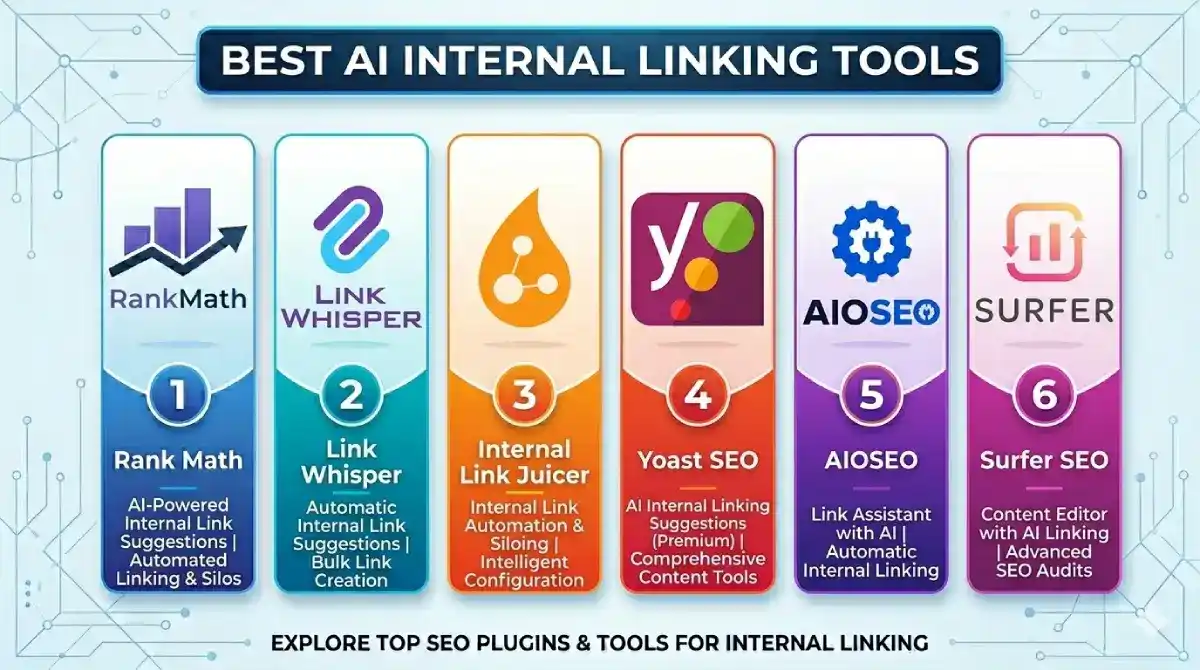
Effective crawl spending plan management needs a sensible internal link structure. Modern structures in 2026 typically include automated link analysis tools that suggest internal connections based upon material significance. These tools assist distribute link equity throughout a website, making sure that much deeper pages are not buried. Additionally, real-time sitemap management has become the standard. Rather than waiting for a scheduled job to restore a XML file, the framework sends a ping to browse engines the minute a new URL is created or customized.
This instantaneous interaction is especially essential for news-heavy industries where timing is everything. If a business in the region publishes an urgent update, the structure ensures that search engines are informed immediately. This push-based model of indexing is far more efficient than the old approach of waiting on a bot to find a link by itself. It decreases the overhead on the site's server and makes sure that the most existing details is always reflected in search results page.
Optimizing Resource Discovery and Possession Delivery
The way properties like images, videos, and typefaces are delivered plays a big role in how a crawler views a website. In 2026, frameworks have automated the conversion of media into extremely efficient formats like AVIF2 or next-generation vector formats. These possessions are served with proper "loading" characteristics and height/width descriptors to avoid design shifts. When a crawler encounters a page that is stable and loads its possessions naturally, it can move through the website faster.
Font loading has also seen improvements through automated subsetting. The structure identifies precisely which characters are utilized on a page and develops a customized font file consisting of just those glyphs. This decreases the size of the font payload by approximately 90 percent. Such optimizations are basic for specialized web projects that require to maintain a particular brand name appearance without sacrificing efficiency. In competitive markets like the urban center, these little technical gains can be the difference between a top-three ranking and being hidden on the second page.
Security and headers likewise factor into the crawl formula. Modern systems instantly configure security headers that avoid malicious script injection, which online search engine in 2026 use as a signal of website quality. Headers like Content-Security-Policy (CSP) are produced dynamically based upon the third-party scripts actually required by the page. This proactive method to site health guarantees that the site remains in great standing with search companies, preventing the unexpected drops in traffic that can take place when a site is flagged for poor security practices.
Selecting the ideal technical foundation is the most essential decision an organization can produce its long-term search strategy. By picking a framework constructed for SEO automation, companies can focus on developing top quality content while the underlying architecture deals with the intricacies of crawl performance and indexing. The digital market in 2026 benefits those who focus on the technical needs of search engines, developing a quicker and more accessible web for everyone.